
REAL-WORLD STREET TRAINING
What is a
protection dog
A real protection dog is more than a dog that can bite.
It is a stable, obedient companion with the nerve, confidence, drive and training to protect when a real threat appears — while remaining controlled and dependable in everyday life.
At Ultimate K9, protection dogs are developed for the real world: your home, your property, your vehicle, your family and the places you go every day.
a bite doesn't make a
protection dog
A dog can be taught to chase a sleeve.
A dog can be taught to bark.
A dog can learn a routine that looks impressive in a controlled training environment.
But that alone does not make the dog a true protection dog.
A real protection dog must have the temperament, genetics, nerve, confidence, obedience and drive to remain reliable when the situation changes and the pressure becomes real.
Just as important, the dog must be able to turn that intensity off.
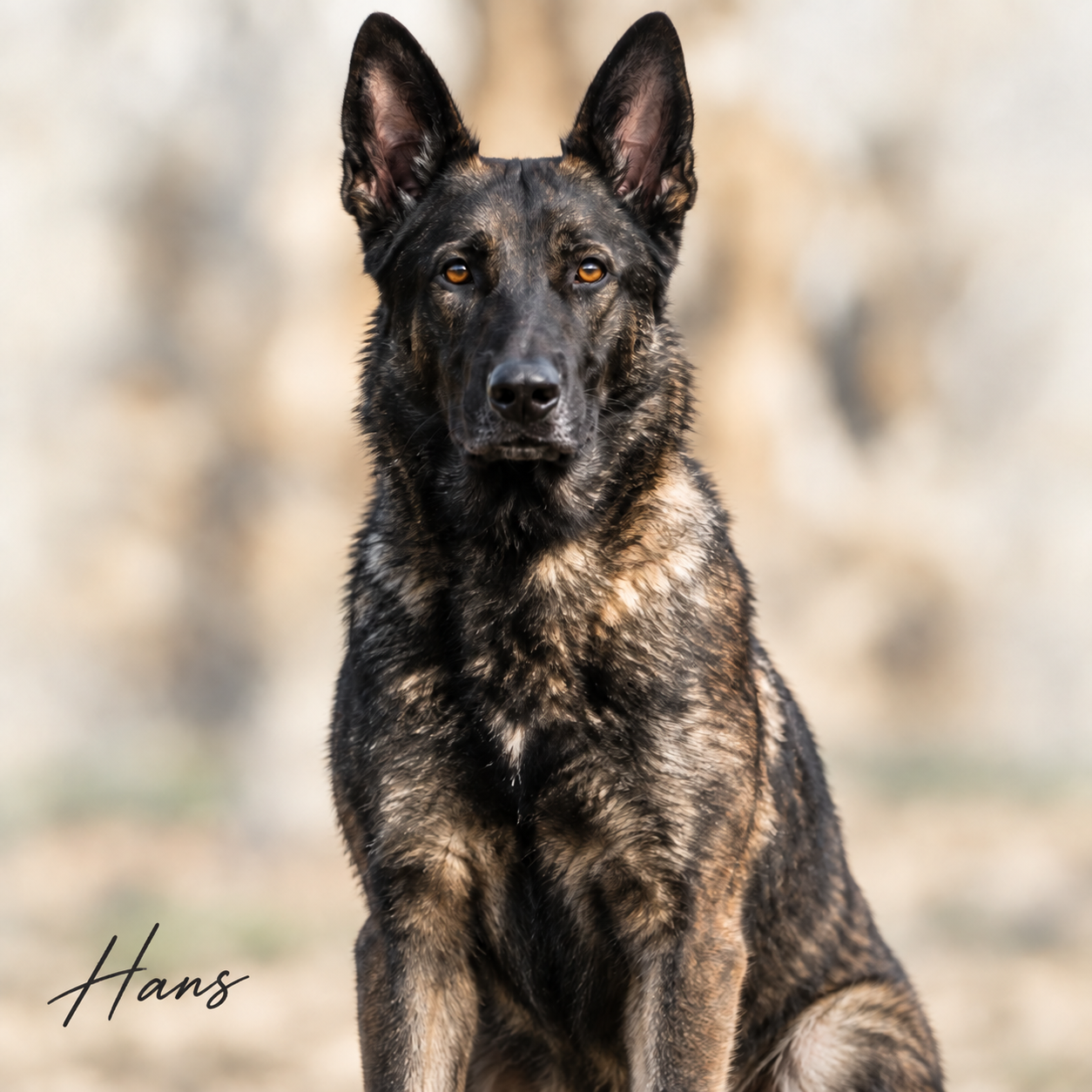
Ultimate K9 does not believe the goal is an aggressive or uncontrollable dog. The goal is a confident, stable protector that can live normally with its family and respond decisively when needed.
protection dog in action
watch what
real protection
looks like
There is a big difference between talking about protection dogs and watching one work. That is why Ultimate K9 puts so much emphasis on video.
Watch the dog.
Watch the body.
Watch what happens after contact.
Watch how the dog handles pressure.
HANS — HIGH FIGHT DRIVE
Hans gives you a clear example of what Ultimate K9 means by a serious protection dog.
During protection work, notice his commitment after contact, the movement of his head and body, and the amount of pressure he is willing to bring and withstand.
Then compare that intensity with the dog Hans is away from protection work: steady, affectionate, obedient and able to live as part of a family.
FIGHT DRIVE
ONE OF THE DEFINING TRAITS OF A REAL PROTECTION DOG
People hear the word drive frequently when discussing working dogs, but not all drive is the same.
Ultimate K9 evaluates protection dogs through several important natural drives, including prey drive, defense drive and — most importantly to Patrick's training philosophy — fight drive.
Understanding the difference helps explain why two dogs that appear similar during a simple training exercise may react very differently when real pressure is introduced.
PREY DRIVE
THE DESIRE TO PURSUE.
Prey drive is the natural instinct that produces behaviors such as searching, tracking, chasing, pouncing and catching.
It can create speed, enthusiasm and intensity in training.
A dog with strong prey drive may love chasing equipment and may look spectacular doing it.
But chasing something it wants is not the same thing as confronting something difficult.
Think:
CHASE • PURSUE • CATCH • POSSESS
DEFENSE DRIVE
THE INSTINCT TO RESPOND TO A THREAT.
Defense drive involves the dog's natural awareness of danger and its instinct to protect itself, its handler or its social group.
It can influence suspicion, alertness and the dog's response when it believes a genuine threat is present.
Defense is an important part of a well-rounded protection dog, but Ultimate K9 does not want a dog operating from fear or instability.
The dog still needs confidence, judgment and control.
Think:
AWARENESS • ALERTNESS • RESPONSE • PROTECTION
FIGHT DRIVE
THE WILLINGNESS TO STAY IN THE CONFRONTATION.
This is where Ultimate K9 places tremendous importance.
Fight drive becomes apparent once the confrontation has begun.
Instead of simply wanting to chase or capture something, a high-fight-drive dog stays mentally and physically committed when pressure increases.
Patrick looks for dogs that naturally possess this quality and then develops and channels that ability through training.
You can see it in the dog's commitment, body involvement, confidence and determination during serious protection work.
Think:
COMMITMENT • PRESSURE • INTENSITY • PERSISTENCE
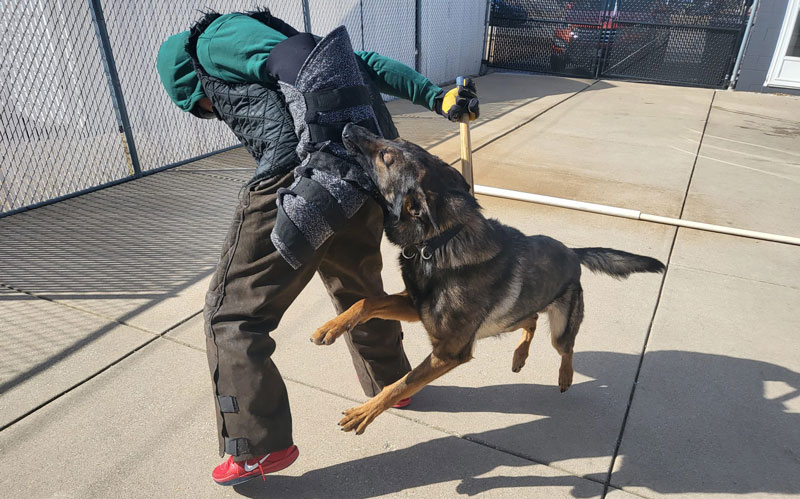
Know what you're watching
When you watch one of Ultimate K9's protection videos, don't only watch the bite. Watch the entire dog.
Meet two of the protection dogs available for sale
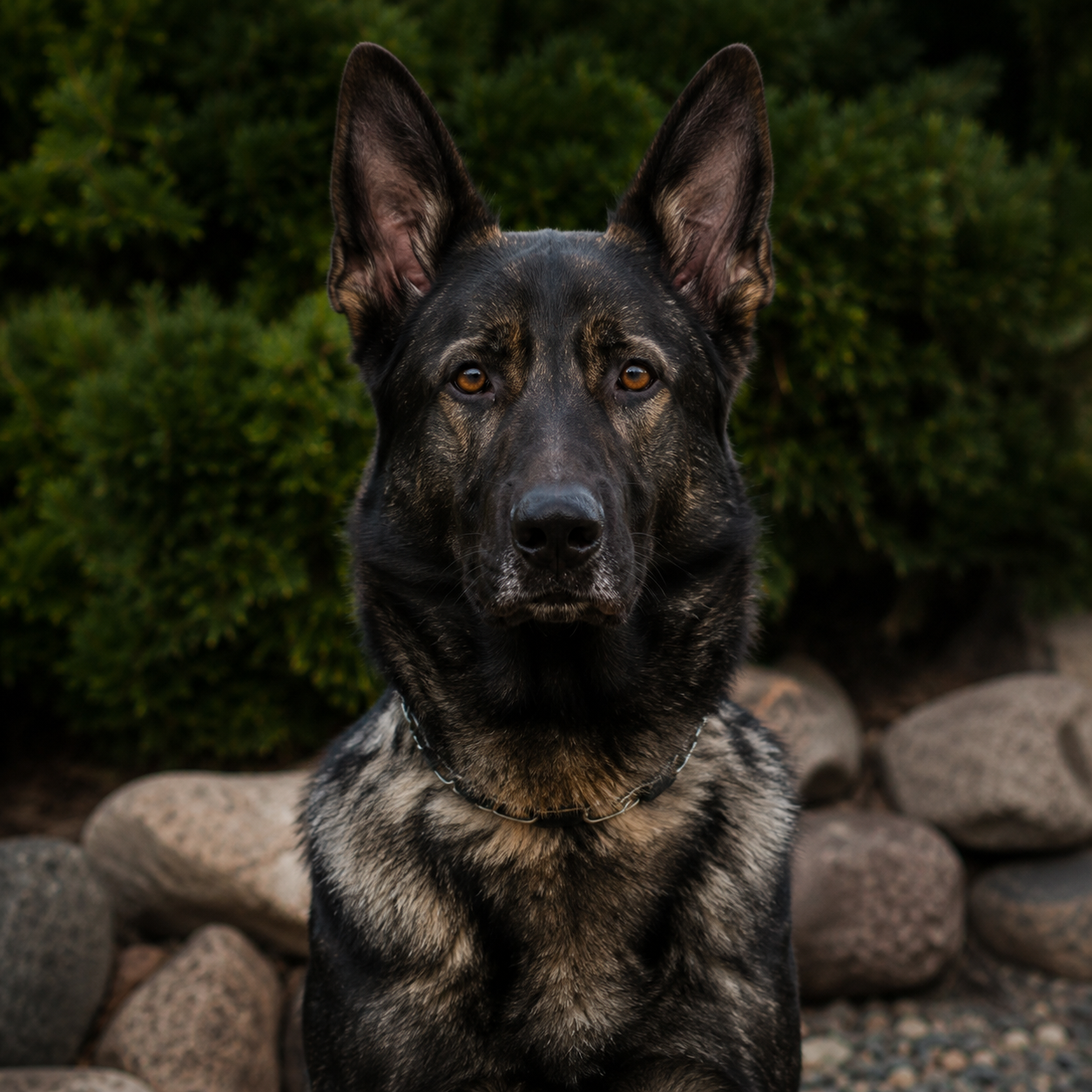
HANS
CALM AT HOME. SERIOUS ON COMMAND.
Hans is a German Shepherd who demonstrates the balance Ultimate K9 wants in a protection dog.
Away from protection work, Hans is steady and affectionate, has strong house manners and has been developed to fit into normal family life.
When called upon to work, he transitions into focused protection with strong obedience, fast recall and the confidence to protect around the home, property and vehicles.
His videos also give visitors the opportunity to see the high fight drive Patrick looks for in a serious protection dog.

GATOR
WATCH THE DOG — NOT JUST THE EQUIPMENT.
Gator provides another opportunity to see Ultimate K9's protection philosophy in action.
As you watch his images and videos, look beyond the bite itself.
Watch his confidence.
Watch his body.
Watch his willingness to remain involved.
Watch his relationship with the handler.
And most importantly, watch the difference between a dog performing an exercise and a dog showing genuine commitment to the work.
THE SAME DOG. A DIFFERENT JOB.
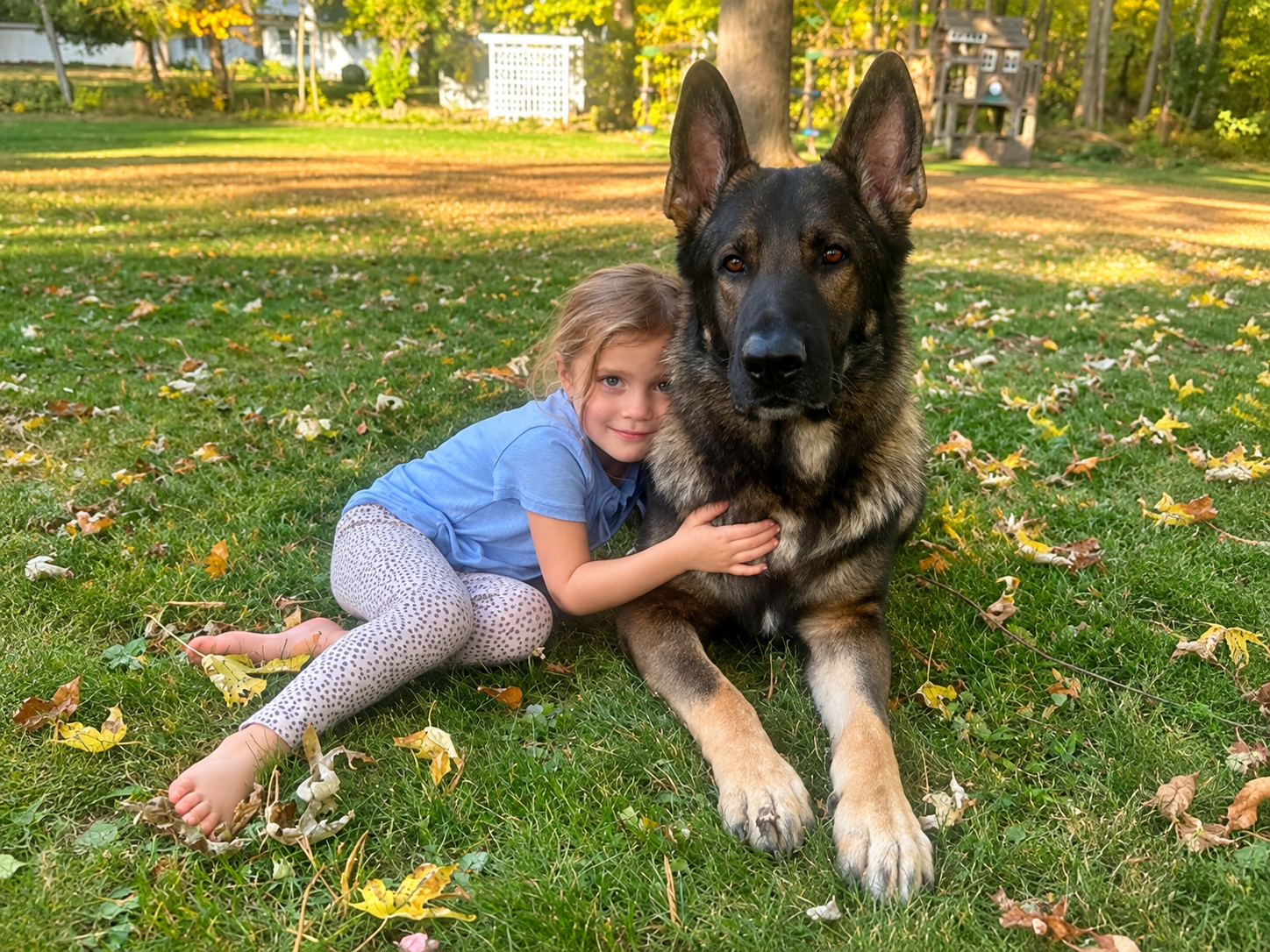
OFF DUTY
Calm
Able to settle when nothing is happening.
Socially Stable
Comfortable in normal everyday environments.
Obedient
Responsive to the people responsible for the dog.
Family Integrated
Able to become part of the owner's daily life.
Manageable
Power and ability remain under control.
One of the biggest misconceptions about protection dogs is that a capable protector must be aggressive all the time.
That is not the goal.
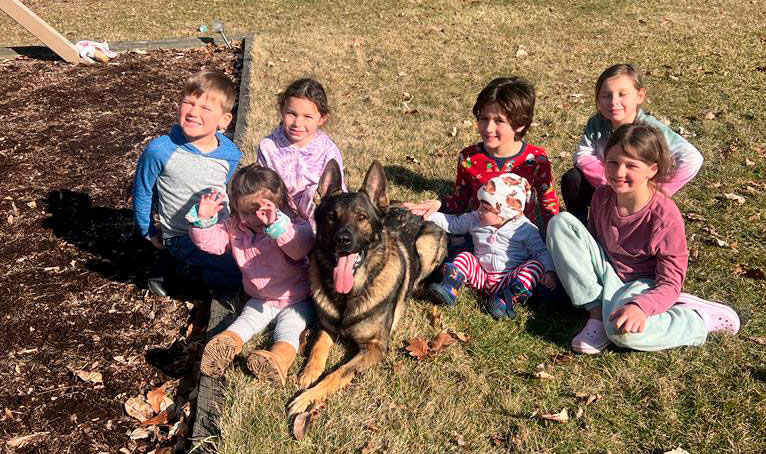
A protection dog still has to live with you.
It may spend far more time lying in your home, riding in your vehicle, walking beside you or interacting with your family than it ever spends doing protection work.
That makes stability every bit as important as intensity.
WHEN PROTECTION IS NEEDED
Alert
Aware that the situation has changed.
Confident
Prepared to move toward the problem rather than away from it.
Committed
Willing to remain involved when pressure rises.
Protective
Developed to defend the people and property entrusted to it.
Controlled
Still connected to the handler.
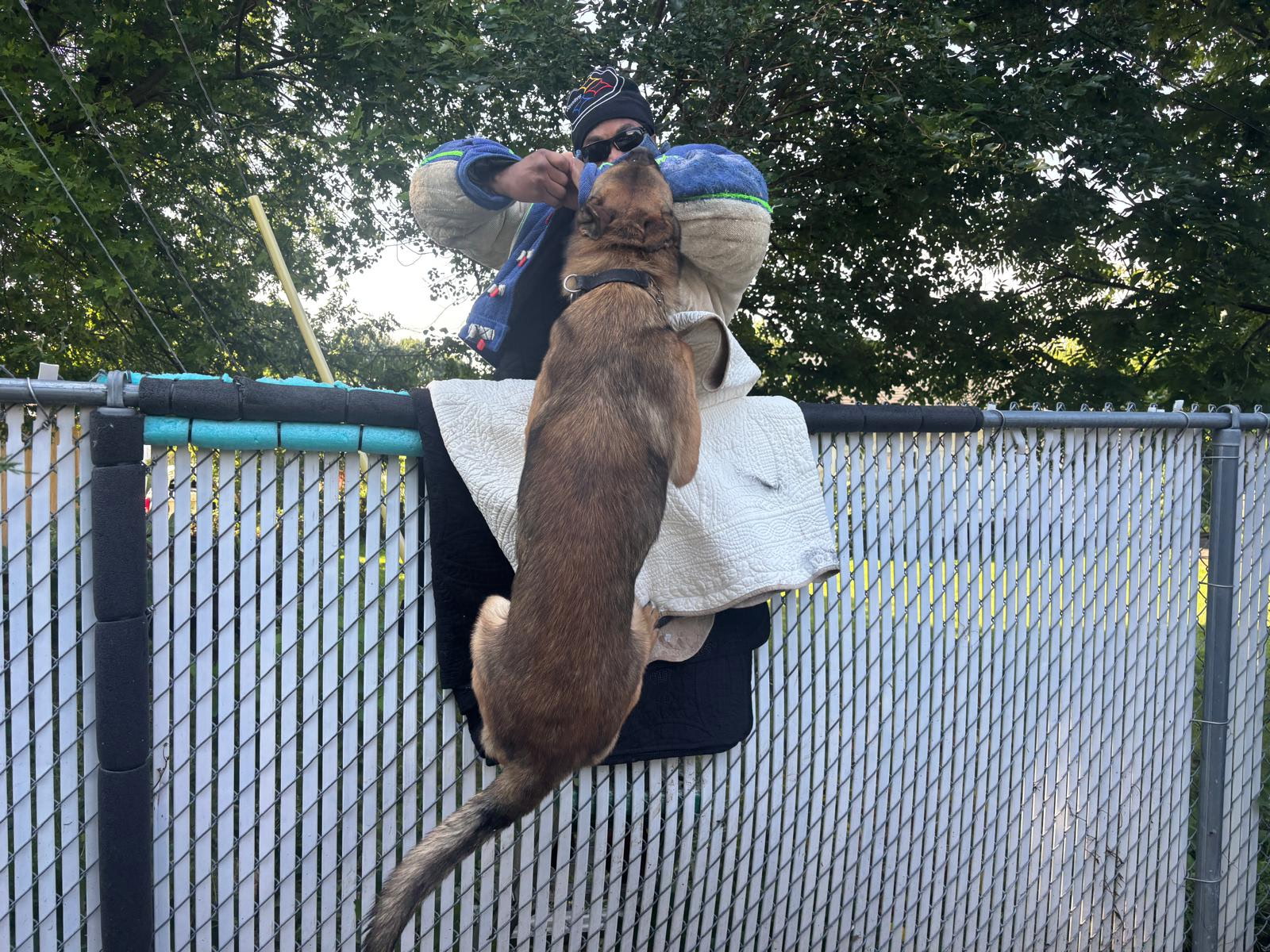
PROTECTION DOESN'T HAPPEN ON A TRAINING FIELD.
A real threat does not make an appointment.
It does not promise to stand in the same place.
It does not always look the same.
And it does not necessarily occur where the dog was originally trained.
That is why Patrick's approach focuses on Real-World Street Training.
A protection dog needs experience beyond repetitive training-field routines.
Ultimate K9 develops dogs around the kinds of environments owners actually encounter.
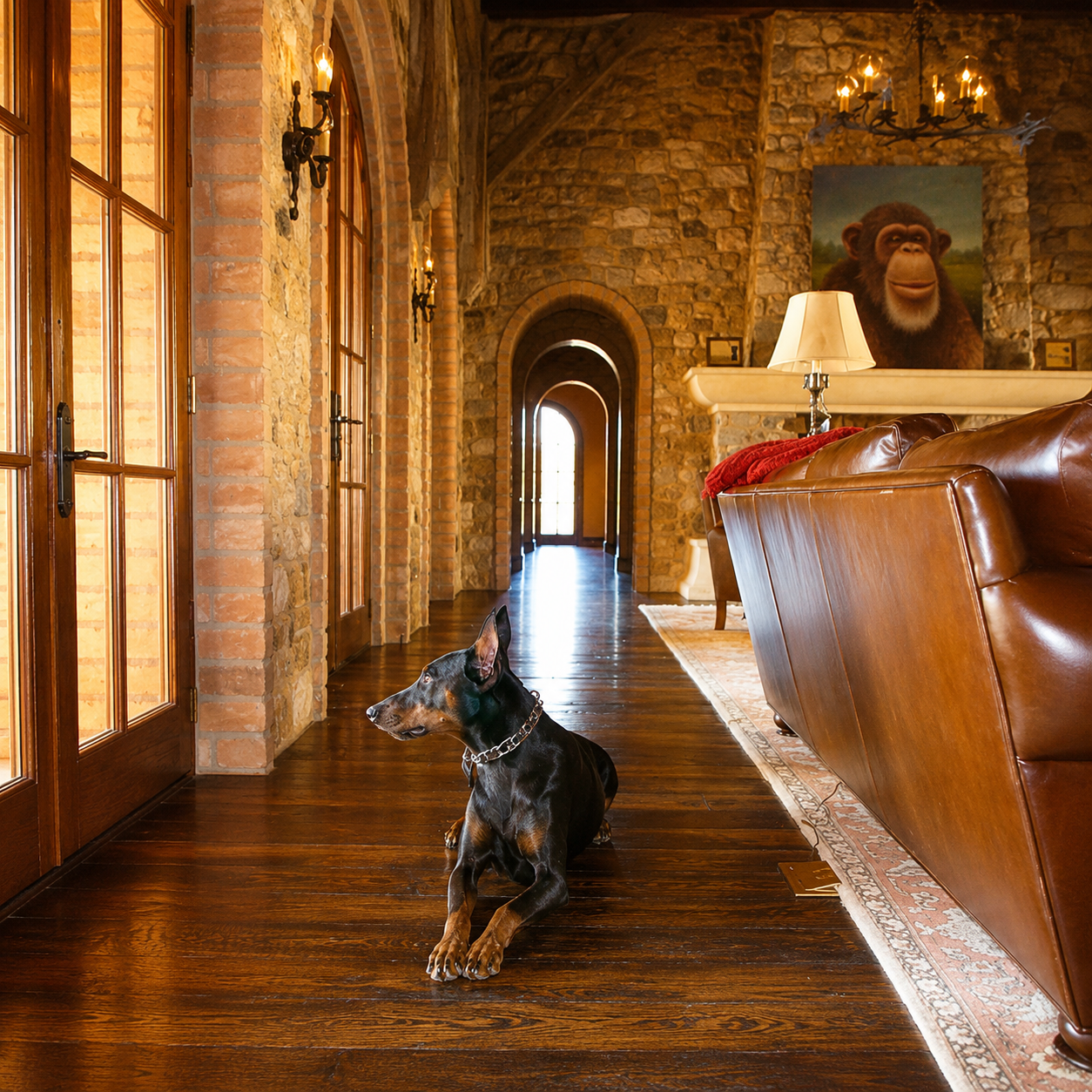
AT YOUR HOME
Doors, rooms, entrances and the areas where your family lives every day.

AROUND YOUR VEHICLE
Protection doesn't stop when you leave your property.
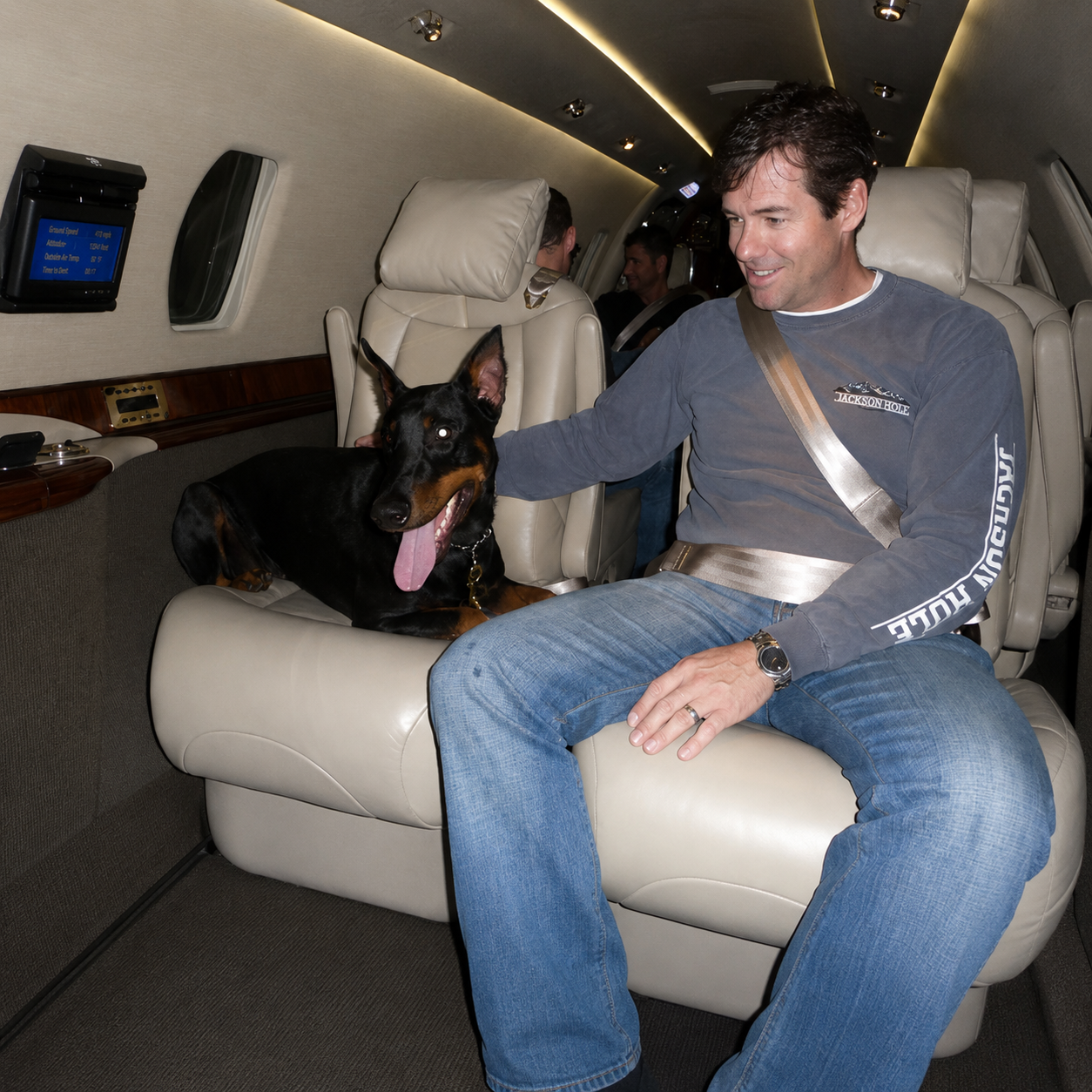
WHILE TRAVELING
The dog needs enough environmental confidence to function away from familiar surroundings.
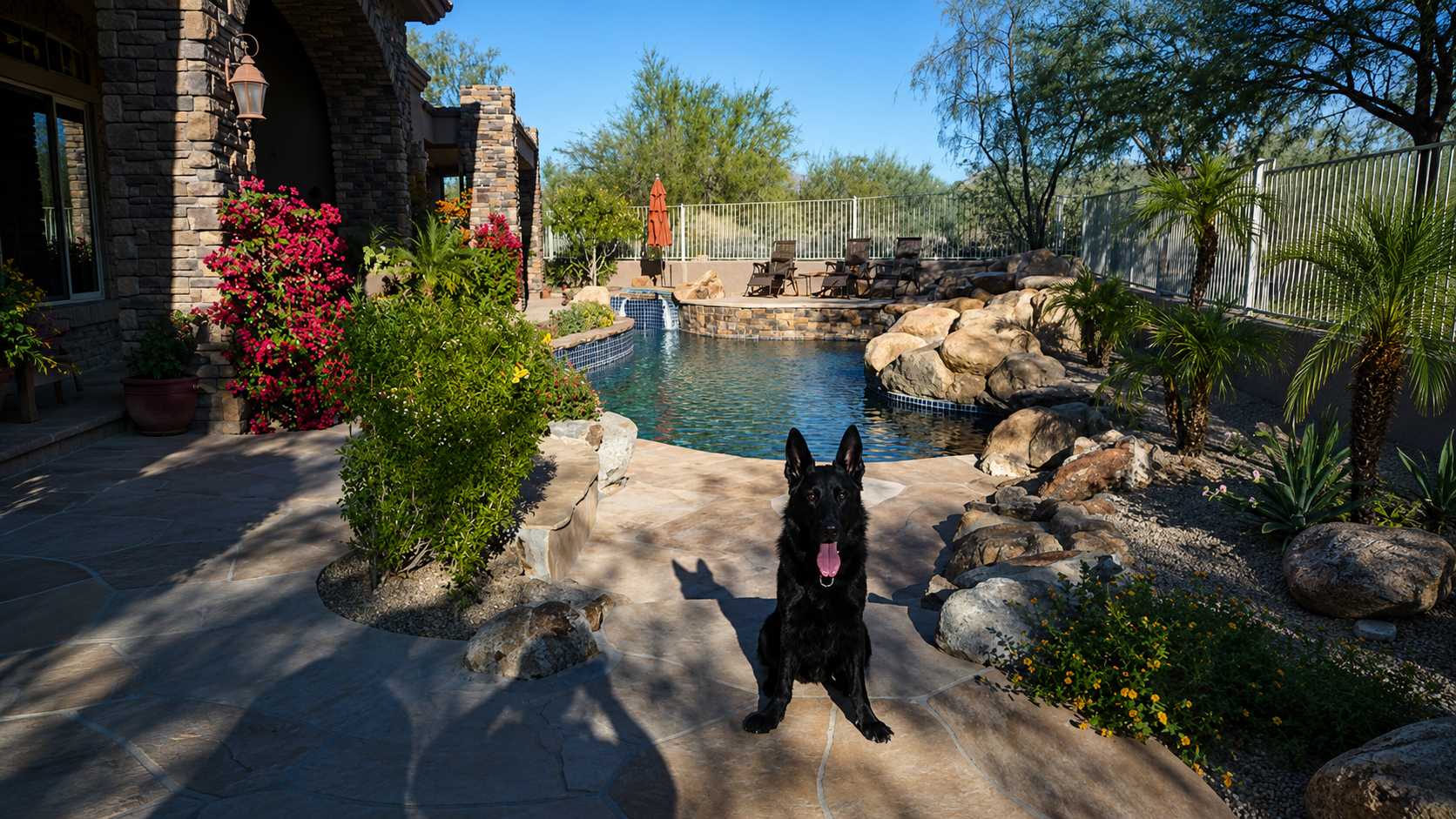
AROUND YOUR PROPERTY
Gates, fences, perimeter areas and outdoor environments can all become part of a dog's working world.
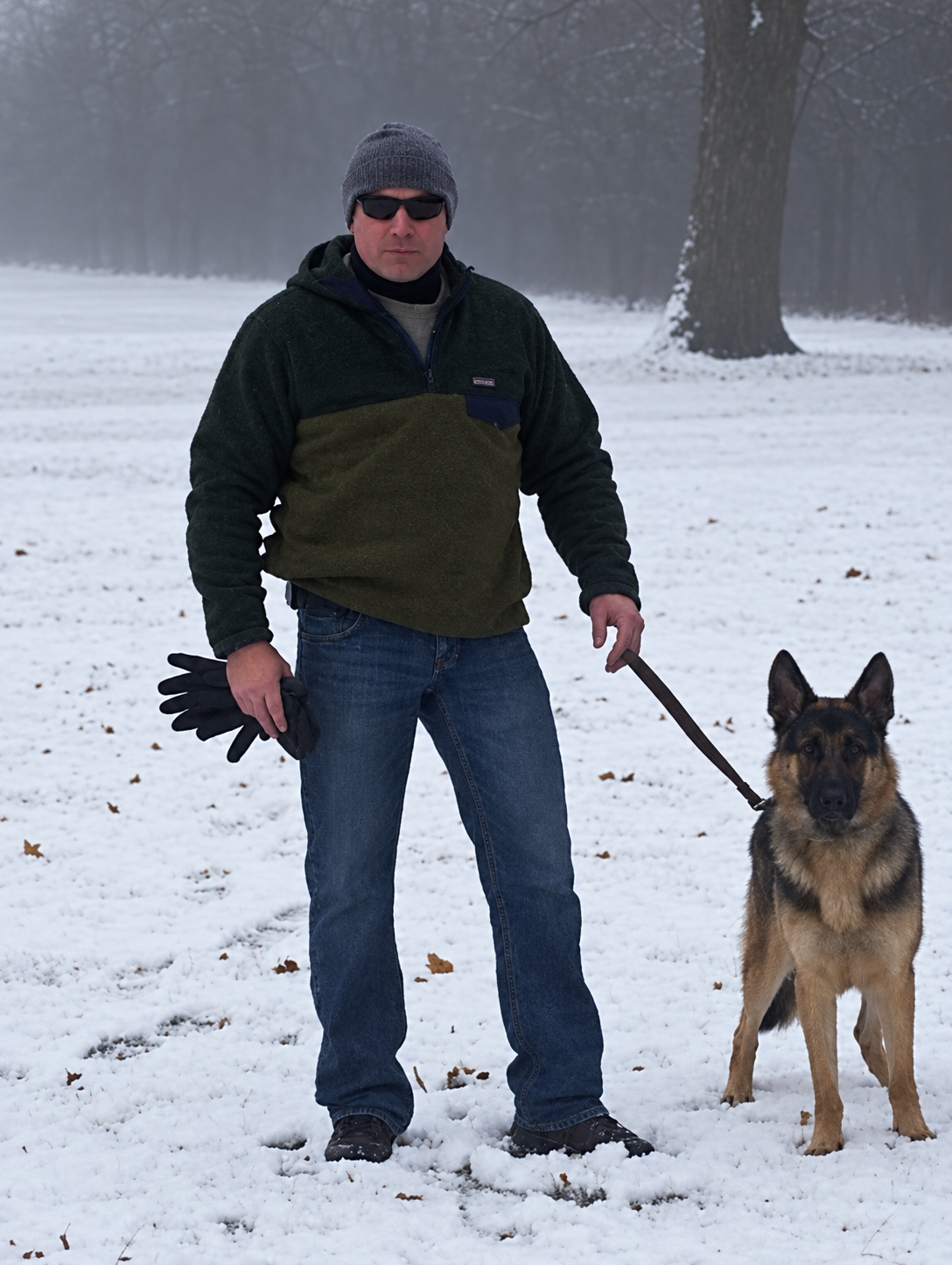
YOU CAN'T FAKE EXPERIENCE.
Patrick McDonnell has spent more than 42 years working hands-on with protection dogs.
He personally selects, raises and develops dogs with the temperament, nerve, drive and trainability he believes are necessary for serious protection work.
Rather than relying only on controlled field exercises, Patrick's approach is built around situations dogs may encounter in the real world.
42+ YEARS
Hands-on protection dog experience.
PERSONALLY SELECTED
Dogs chosen for temperament, nerve, drive and suitability.
REAL-WORLD APPROACH
Training designed around environments owners actually encounter.
CLIENTS WORLDWIDE
Protection dogs developed for families, estates and clients in the United States and beyond.
FREQUENTLY ASKED QUESTIONS ABOUT PROTECTION DOGS
A protection dog is a dog selected and trained to help protect an individual, family or property while remaining obedient and manageable in normal life. At Ultimate K9, a true protection dog must offer more than an impressive bite. Temperament, confidence, obedience, environmental stability and genuine protection ability all matter.
Fight drive describes the dog's willingness to remain actively committed once a confrontation has begun.
Patrick places particular importance on natural fight drive when selecting dogs for serious protection work. Training can develop, channel and control what the dog brings to the work, but the underlying qualities begin with the individual dog.
Prey drive involves the natural desire to pursue, chase and capture.
Fight drive becomes apparent when the dog is engaged and must continue working despite resistance or pressure.
A dog can have impressive prey drive and look extremely exciting while chasing training equipment without necessarily possessing the same level of commitment during more demanding protection work.
Defense drive involves the dog's instinctive response to a perceived threat.
It contributes to awareness, suspicion and protective behavior.
Ultimate K9 looks at the complete dog rather than relying on one drive alone.
People often use the terms interchangeably, but Ultimate K9's goal goes beyond having a dog that simply guards an area or barks at strangers.
A personal or family protection dog must be capable of living closely with its owner while remaining obedient, controllable and prepared to respond when protection is genuinely required.
A well-selected and responsibly trained protection dog should not be uncontrollably aggressive.
The goal is the opposite: a stable, confident dog that can remain calm during ordinary life and respond appropriately when needed.
Yes — and for Ultimate K9, that balance is essential.
A family protection dog spends most of its life as part of the household. Stability, obedience, house manners and the ability to settle are therefore just as important as protection ability.
Hans is a good example of this philosophy: steady and affectionate in the home while possessing serious protection capability when called upon.
The individual dog, its temperament, training, socialization and the household all matter.
Ultimate K9 selects and develops family protection dogs with stability and family integration in mind. As with any powerful working dog, responsible ownership, supervision and appropriate handling remain important.
Ultimate K9 has extensive experience with working breeds including German Shepherds, Belgian Malinois, Rottweilers, Irish Staffords, American Pit Bull Terriers and Dobermans.
Breed matters, but the individual dog matters even more.
Not every dog within a traditional working breed has the temperament, nerve, drive or suitability required for serious protection work.
Look beyond a short bite clip.
Watch the dog's obedience.
Watch how the dog behaves before the work starts.
Watch how it handles changes and pressure.
Watch whether it remains confident.
Watch whether the handler can control the dog.
And ask to see the dog working in different situations rather than one rehearsed exercise.
Client-owned dogs can be evaluated for training.
Whether a particular dog is suitable depends on the individual dog's temperament, age, behavior, natural ability and your goals.
Call 414-764-5250 or 414-610-5250 to discuss your dog.
Pricing varies depending on the individual dog, its level of training and the client's needs.
Because the right fit matters as much as price, Ultimate K9 recommends speaking directly with Patrick about what you need before choosing a dog.
Call for current availability and pricing.
Ultimate K9 is located in Cudahy, Wisconsin, in the Milwaukee area, and works with protection dog clients throughout Wisconsin, across the United States and internationally.
Ready to talk about the right protection dog
for your home or property?
We will walk you through the options, answer your questions directly, and help you decide whether a trained family or estate protection dog is the right fit.